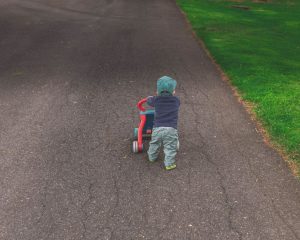
Watching your one-year-old take those first wobbly steps is magical—and terrifying. A quality learning walker isn’t just a toy; it’s a trusted partner in your child’s mobility journey, offering the right balance of support, safety, and developmental engagement that helps them build confidence while exploring their world.
Why the Right Learning Walker Matters for Your 1-Year-Old
At twelve months, your baby is entering one of the most exciting developmental windows of their early childhood. Many are cruising along furniture, some are taking independent steps, and others are still building the strength and coordination needed for walking. A learning walker bridges this gap by providing physical support while simultaneously stimulating cognitive development through music, lights, colors, and interactive games.
The difference between a safe, developmentally appropriate walker and a poorly designed one can significantly impact your child’s confidence, muscle development, and safety. This guide will help you navigate the options with clarity and confidence.
What to Look for in a Learning Walker

1. Stability and Weight Distribution
Your walker should be weighted appropriately—light enough for your child to move independently, but heavy enough that it won’t tip over easily. Look for a wide wheelbase and sturdy frame construction. The walker should move forward smoothly without being so fast that your baby loses control. Test the resistance: you want a walker that responds naturally to your child’s pace, neither dragging nor rolling away uncontrollably.
2. Proper Height and Adjustability
The walker’s handle should be at your child’s waist or hip level when they’re standing upright. When they grasp the handle, their elbows should bend at approximately a 90-degree angle. Many children grow rapidly during the second year, so adjustable height is a tremendous advantage. This feature extends the usable lifespan and ensures proper ergonomics throughout their walking journey.
3. Safety Features and Certifications
All reputable walkers should meet CPSC (Consumer Product Safety Commission) standards and have safety certifications clearly marked on packaging. Look for features like wheel locks, anti-tip technology, and sturdy braking systems. The walker should have no sharp edges, pinch points where little fingers could get caught, or toxic materials. If you have stairs in your home, a gate-mounted design or portable walker with easy-to-engage brakes is especially important.
4. Developmental Engagement
The best learning walkers combine physical support with cognitive stimulation. Interactive elements like buttons, music, lights, and cause-and-effect activities keep babies engaged while developing fine motor skills and cognitive abilities. Look for walkers with educational content that grows with your child—songs, shape sorters, or removable toys that can be used independently later.
5. Easy Cleaning and Durability
One-year-olds are messy! Machine-washable seat covers, wipeable materials, and removable toys make maintenance significantly easier. Durable construction ensures the walker withstands daily use and potentially serves younger siblings. Check reviews for longevity—a quality walker should last through months of intensive use without mechanical failure.
Top Learning Walker Options ReviewedVTech Sit-to-Stand Learning Walker – Best Overall Pick
The VTech Sit-to-Stand Learning Walker is our top recommendation for parents seeking a walker that genuinely grows with their child. This innovative design functions as both a seated activity center for pre-walkers and a traditional walker for mobile babies, making it exceptionally versatile.
When your baby is sitting, they can engage with 70+ songs, sounds, and phrases that teach ABCs, numbers, colors, and simple words. As they transition to walking, the walker provides steady support with a comfortable push handle and a stable frame. The removable activity panel converts into a standalone toy, extending its usefulness long after your child has mastered walking independently.
| Pros | Cons |
|---|---|
| Dual functionality (sit & walk) | Volume cannot be muted (can be loud) |
| 70+ educational songs and phrases | Requires 2 AA batteries (ongoing cost) |
| Removable activity panel | Slightly bulkier than push-only walkers |
| Excellent stability and weight | Some families report motivational issues with sitting feature |
| Durable construction |
Fisher-Price Rainforest Jumperoo – Best for Early Walkers
The Fisher-Price Rainforest Jumperoo deserves consideration if your 1-year-old is still in the pre-walking phase or only beginning to cruise. While technically a stationary activity center rather than a traditional walker, it provides exceptional development benefits for babies 4-12 months and bridges the gap to walking.
This center features a 5-point harness, 360-degree rotating seat, and multiple toy options around the perimeter. Babies can bounce, jump, and strengthen leg muscles while remaining safely contained. The machine-washable seat cover is a practical feature that many parents absolutely love. The diverse activity stations—mirrors, lights, sounds, and manipulative toys—provide hours of engagement.
| Pros | Cons |
|---|---|
| 5-point safety harness | Stationary—doesn’t teach independent walking |
| 360-degree rotation | Takes up significant floor space |
| Machine-washable seat cover | Not ideal for babies who’ve started independent walking |
| Multiple activity stations | Higher price point |
| Leg strengthening through bouncing | May become less engaging after 12-14 months |
Lovevery Play Gym – Best for Developmental Stages
For parents who prioritize developmental alignment, the Lovevery Play Gym offers a thoughtfully designed system that maps to your child’s developmental stages. This is less a traditional walker and more a comprehensive play system that supports walking development within a broader developmental framework.
Lovevery’s approach is endorsed by pediatricians and incorporates Montessori principles. The play gym uses minimalist design with natural wood and high-contrast materials that appeal to developing vision. Toys are sequenced by developmental readiness, helping parents understand their child’s emerging skills. This system transitions seamlessly through stages, from tummy time through toddlerhood.
| Pros | Cons |
|---|---|
| Pediatrician and Montessori approved | More expensive than traditional walkers |
| Maps developmental stages | Not a dedicated walker for walking practice |
| Natural wood and high-contrast design |
🛒
Our Top Amazon Picks
Verified prices & availability You Might Also Like
❤ Found this helpful? Help another parent:
👶
Sarah Bennett
Mom of 3 · Certified Pediatric Sleep Consultant · 8 Years Reviewing Baby Gear
Sarah has personally tested hundreds of baby products across three children. She holds a certification in pediatric sleep and focuses on real-world usability, safety ratings, and honest value assessments — not just what looks good in ads.
You Might Also LikeFREE DOWNLOAD
Get the Baby Gear Safety Checklist (Avoid Costly Mistakes)623+ readers already getting results Join our community and get your free gift delivered instantly to your inbox. |