Best Newborn Clothing Essentials List: Complete Guide for New Parents
Preparing your newborn’s wardrobe is one of the most exciting—and sometimes overwhelming—parts of getting ready for baby’s arrival. Unlike other gear you can research and test, choosing baby clothes requires understanding sizing, fabric safety, practicality for frequent changes, and temperature regulation for your tiny human. The right clothing essentials make parenting easier, keep your baby safe and comfortable, and actually get worn (rather than sitting unworn in drawers like so many oversized newborn outfits).
What to Look for in Newborn Clothing
Before diving into specific items, understanding the key criteria for selecting newborn clothing will guide every purchase decision you make.
Fabric Safety and Comfort
Your newborn’s skin is significantly more delicate and permeable than older children’s skin, meaning chemicals penetrate more easily. Look for organic cotton or natural fiber blends certified by organizations like the Global Organic Textile Standard (GOTS). These fabrics are softer, breathe better, and are manufactured without harmful dyes, pesticides, or flame retardant chemicals. Avoid synthetic microfibers and heavily treated fabrics that can irritate sensitive skin or cause overheating.
Size and Growth Room
Newborn sizing is notoriously inconsistent across brands. Many babies skip true newborn sizes entirely and go straight into 0-3 months or 3-6 months clothing. Rather than buying dozens of newborn-sized items, focus on having enough clothing in newborn and 0-3 months sizes to get through laundry cycles (typically 5-7 outfits), then add more in larger sizes. This prevents waste and ensures your baby actually wears what you purchase.
Practicality and Easy Changes
Newborns soil their clothing multiple times daily—sometimes hourly. Choose items with snap closures or zippers rather than buttons for quick changes during diaper blowouts. Avoid elaborate designs, decorative buttons, or anything that slows you down during those 3 a.m. outfit changes. Gowns with snap bottoms are especially practical during the first two weeks when umbilical cord care is ongoing.
Temperature Regulation
Newborns cannot regulate their body temperature effectively, making layering essential. You want items that work in different seasons and can be added or removed easily. Avoid items that are too heavy or insulating indoors, and skip anything that could overheat your baby during sleep. Mittens prevent self-scratching without the overheating risk of long sleeves.
Budget-Friendly and Practical Quantities
Newborns grow rapidly—often an inch per month in the first three months. Buying clothing in excessive quantities wastes money on items never worn. Instead, buy strategically with the assumption you’ll do laundry 2-3 times weekly, and plan to supplement purchases after birth based on your baby’s actual size and growth rate.
Essential Newborn Clothing Items Explained
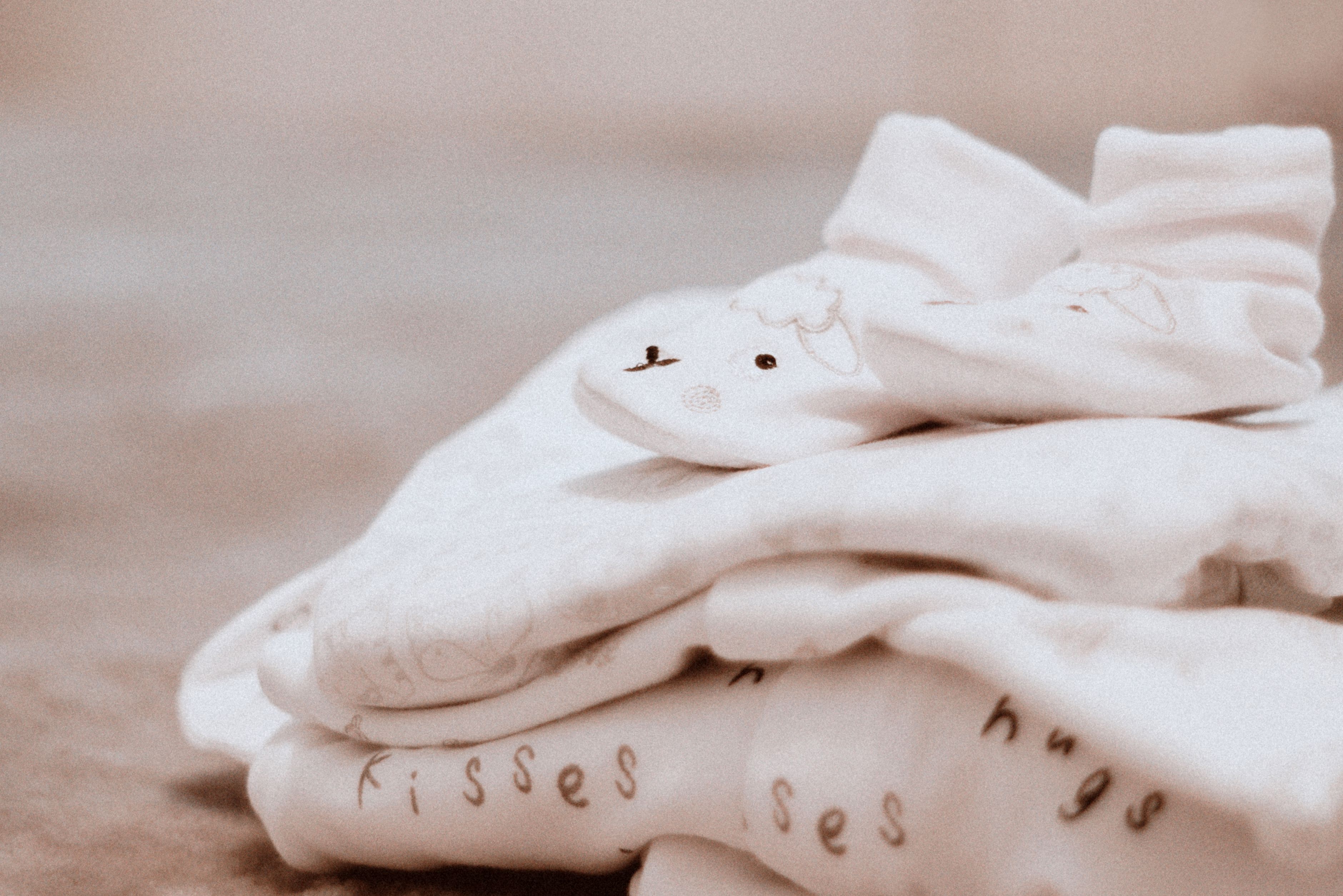
Bodysuit Onesies (5-7 in newborn and 0-3 sizes)
The workhorse of your newborn’s wardrobe. Bodysuits with snap closures at the crotch allow quick diaper changes without completely undressing your baby. Choose short-sleeve and long-sleeve varieties depending on your climate. Organic cotton options like those from brands such as Hanna Andersson or Burt’s Bees wash well and maintain softness through repeated laundering.
| Pros | Cons |
|---|---|
| Quick diaper access with snaps | Sizing varies significantly by brand |
| Versatile as base layer or solo outfit | Snaps can wear out after repeated washing |
| Machine washable and durable | Some babies outgrow sizing quickly |
Sleep Gowns (3-5 in newborn size)
Open-bottom gowns with drawstrings make diaper changes during nighttime feeds incredibly fast—you don’t need to wake your baby fully or remove their arms from sleeves. These are invaluable in the fourth-trimester haze of constant feeds. The drawstring cinches at the bottom to prevent your baby from kicking the gown up around their face. Many parents find these essential in the first 2-3 weeks, then transition to standard clothing.
Swaddle Wraps and Sleep Sacks (3-5)
Sleep sacks (wearable blankets) are safer than loose blankets for SIDS prevention and provide consistent warmth without overheating risks. Swaddle wraps help calm your newborn’s startle reflex and provide security. Merino wool or cotton blend sleep sacks adjust to temperature and regulate moisture better than synthetic alternatives. Your baby will use these daily, so having several allows for rotation during laundry cycles.
Footed Pajamas (5-7 pairs)
One-piece pajamas with built-in feet eliminate the need for separate socks (which constantly fall off). Zip-front pajamas are exponentially faster for 3 a.m. changes than snapped alternatives. Look for options with snap crotches for easy diaper access. Many parents find these sufficient as the primary clothing for the first month when babies spend most time sleeping or feeding.
Mittens (2-3 pairs)
Newborns have sharp fingernails and instinctively scratch their faces. Mittens prevent injury without the overheating risks of long sleeves indoors. Choose simple cotton mittens that attach with elastic loops (rather than adhesive) to prevent losing them. Once your baby is a few weeks old, you can assess whether they actually need mittens or if you’re keeping nails trimmed adequately.
Socks and Booties (8-10 pairs)
Most socks fall off constantly, which is frustrating but not dangerous. Booties with grip bottoms or slightly more secure elastic stay on longer than traditional socks. However, footed pajamas and sleep sacks reduce your reliance on socks. Buy fewer socks than you think you’ll need—they’re frequently lost and least essential once your baby is in footed pajamas or sacks.
Cardigans and Lightweight Layers (2-3)
Snap-front cardigans allow quick temperature adjustments without fully undressing your baby. Merino wool or cotton blends are ideal for temperature regulation. These are particularly useful for photos and outings, but not essential for everyday wear if you have sleep sacks and various sleeve-length bodysuits.
Going-Home Outfit (in multiple sizes)
Prepare a newborn size AND a 0-3 months size going-home outfit since you won’t know your baby’s actual size until birth. Many babies are larger or smaller than expected. Choose something soft and comfortable rather than fancy—you’ll want good photos but not something that requires careful handling during diaper changes.
Hats and Booties (2-3 sets)
Newborns lose significant heat through their heads, and hospitals often provide initial hats. One or two soft cotton hats and booties are useful for photos and outings during the first weeks, but aren’t essential for indoor wear if your home is appropriately heated.
Practical Sizing and Age-Stage GuideNewborn (0-3 months)
Most babies wear newborn sizes for only 2-4 weeks. Rather than buying extensive newborn collections, purchase 3-5 essentials (bodysuits, sleep gowns, swaddles) to test sizing. After birth, you’ll better understand whether your baby runs small or large and can supplement accordingly. Average newborns weigh 7-8 pounds and measure 19-20 inches at birth, but significant variation exists.
0-3 Months (First Growth Stage)
This is where the bulk of your early wardrobe should be. Babies grow approximately one inch and gain 1.5-2 pounds monthly during this period. Focus heavily on 0-3 month sizing with 7-10 bodysuits, 5-7 footed pajamas, 3-5 sleep sacks, and 3-5 sleep gowns. This allows for comfortable laundry cycles and ensures adequate coverage for frequent outfit changes.
3-6 Months (Second Growth Stage)