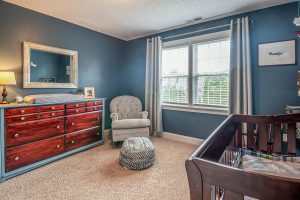
Best Kids Dresser for Nursery: Safety, Storage & Style Guide
\n\nA quality dresser is one of those nursery investments that will serve your family for years—from storing tiny newborn onesies to organizing your toddler’s entire wardrobe. But choosing the right one goes far beyond aesthetics. Safety, durability, and smart storage solutions are what truly matter when you’re selecting furniture for your baby’s room.
\n\nIn this guide, we’ll walk you through everything you need to know to find the perfect dresser for your nursery—one that keeps your baby safe, stays organized, and grows with your family.
\n\nWhat to Look For in a Nursery Dresser\n\nStability and Anti-Tip Safety
\n\n
This is the non-negotiable starting point. A dresser that tips easily is a serious hazard in any child’s room. Look for dressers with a low center of gravity, sturdy construction, and the ability to secure them to the wall with anti-tip straps or brackets. The Consumer Product Safety Commission (CPSC) has strict guidelines about furniture stability, and any quality nursery dresser should meet or exceed these standards.
\n\nDrawer Depth and Capacity
\n\nConsider how much storage you actually need. Newborns require surprisingly little clothing—mostly onesies, sleepers, and socks. But as your child grows, you’ll accumulate more outfits, seasonal clothing, and specialty items. A 4-5 drawer dresser typically offers enough space for a young child’s wardrobe without overwhelming your nursery. Think about drawer depth too; shallow drawers are easier to access but hold less, while deeper drawers require more organization strategy.
\n\nMaterial Quality and Durability
\n\nSolid wood dressers last longer than particleboard alternatives, but they also cost more. Many families find quality engineered wood or plywood options offer an excellent middle ground—durable without the premium price tag. Check for smooth finishes, sturdy drawer slides, and non-toxic finishes or stains. You’ll want a dresser that can handle the inevitable spills, sticky fingers, and years of opening and closing.
\n\nFunctional Design for Parents
\n\nThink about ergonomics from a parent’s perspective. Top drawers should be accessible without reaching awkwardly over your baby’s head during diaper changes. Consider whether a changing table will sit on top—if so, you’ll want a flat, sturdy surface and drawers that still open fully. Some dressers include built-in organizers or dividers, which can streamline your routine when you’re exhausted.
\n\nStyle and Room Aesthetic
\n\nWhile safety and function come first, you’ll spend a lot of time in this room at 2 AM. Choose a dresser in a finish that complements your nursery design and that you’ll still love if your décor preferences change. Neutral colors like white, natural wood, and soft gray tend to photograph well and feel calming—important elements in a sleep space.
\n\nTop Nursery Dresser Options
 \n\n
\n\n1. The Classic Wood Dresser (Solid Construction)
\n\nSolid wood dressers represent the gold standard for durability and longevity. Quality hardwood pieces will last through multiple children and remain structurally sound for decades. Brands like Pottery Barn Kids and Restoration Hardware offer beautiful solid wood options, though they come at a premium price point ($600-$1,200+).
\n\nThese dressers typically feature deep drawers, smooth glides, and finishes that resist staining. The investment pays off if you plan to use the same dresser for years or pass it down to younger siblings.
\n\n| Pros | Cons |
|---|---|
| Extremely durable and long-lasting; Beautiful aesthetics; Resale value; Smooth drawer operation | Higher initial cost; Takes up more space; Heavier and harder to move |
2. Mid-Range Engineered Wood Dresser (Best Value)
\n\nEngineered wood and plywood dressers offer excellent balance between affordability and quality. Brands like IKEA, Wayfair, and Target’s Threshold collection provide stylish options in the $250-$500 range. These pieces are surprisingly sturdy when properly assembled and include wall-anchoring options.
\n\nThe trade-off is that while they’ll last through several years of use, they won’t have the same longevity as solid wood. However, if you’re looking for a quality dresser without breaking your budget, this category offers genuine value. Many parents appreciate the variety of styles available and the lower financial commitment.
\n\n| Pros | Cons |
|---|---|
| Affordable; Wide style selection; Lightweight and moveable; Adequate durability for 5-7 years | May show wear over time; Not ideal for passing down; Assembly required; Drawer slides can weaken with heavy use |
3. Compact Changing Table Dresser Combo
\n\nSpace-saving combo units combine a dresser base with a changing table top, maximizing functionality in smaller nurseries. These are particularly popular with parents who want to streamline the room layout. The changing surface slides or lifts off, converting the dresser for storage-only use once diaper changing days end.
\n\nPopular options include the DaVinci Jayden, Graco’s Solano, and various models from West Elm Kids. Prices typically range from $350-$700. The key advantage is space efficiency; the key disadvantage is that the changing table surface limits how much you can store on top.
\n\n| Pros | Cons |
|---|---|
| Space-efficient; Multi-functional; Reduces need for separate furniture; Easy access during changes | Changing surface limits storage on top; Becomes single-purpose after diaper days; May be more expensive than standalone dresser |
4. Narrow/Tall Dresser (Small Nursery Solution)
\n\nIf your nursery is tight on floor space, a tall, narrow dresser maximizes vertical storage. These pieces are typically 4-6 drawers tall and only 24-30 inches wide. They work wonderfully against a wall and don’t interrupt traffic flow through the room.
\n\nThe challenge with tall dressers is stability—they have a higher center of gravity, making wall anchoring even more critical. Ensure you have heavy-duty brackets rated for your furniture’s weight, and always secure them to studs in the wall. This option works best in rooms where floor space is genuinely limited.
\n\n| Pros | Cons |
|---|---|
| Minimal footprint; Good vertical storage; Doesn’t obstruct room; Works in tiny nurseries | Higher tip risk; Requires sturdy wall anchoring; Top drawers may be awkward to reach; Less visually grounding |
Safety Considerations for Nursery Dressers\n\n⚠ Safety Note: Furniture tip-over injuries send approximately 10,000 children to emergency rooms annually. Every dresser in a child’s room must be anchored to the wall with appropriate hardware.\n\nAnti-Tip Straps and Wall Anchoring
\n\n
This is non-negotiable. Quality dressers come with anti-tip hardware, but many parents skip installation because it requires drilling into walls. Don’t skip this step. The hardware should be rated for at least 1.5 times your dresser’s weight, and it must be installed into wall studs, not just drywall.
\n\nIf you’re renting and can’t drill into walls, use heavy-duty furniture straps designed for renters—these secure furniture to baseboards or can be anchored using adhesive mounts rated for your furniture’s weight. It’s worth the effort to call a handyman if you’re unsure about installation.
\n\nDrawer Safety and Soft Close Features
\n\nSoft-close drawer slides prevent pinched fingers and slamming drawers at 3 AM—a win for both safety and sleep. These mechanisms cost more but are worth the investment if your budget allows. As a minimum, ensure drawer slides operate smoothly and don’t have gaps where tiny fingers can catch.
\n\nDrawer stops prevent drawers from falling out entirely if pulled with excessive force. This is especially important as your child grows and becomes more curious and mobile.
\n\n